
Canada Strong Pass 2026: 5 Parks That Get Overcrowded and 3 Hidden Gems to Enjoy Without Crowds
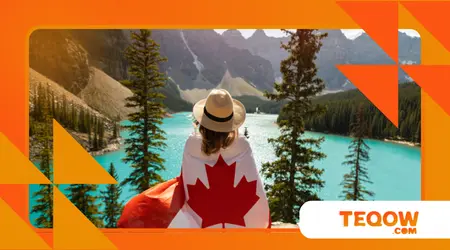
The Canada Strong Pass 2026 is back, and the news is excellent: free admission to all National Parks and Historic Sites in Canada between June 19 and September 7, plus a 25% discount on camping fees.
However, as a specialist who closely monitors the impact of these policies, I can guarantee: information alone is not enough.
If you simply follow the crowd, you risk spending your summer in endless lines at the most famous parks.
This article is not just a summary of what the government announced. It is a practical and strategic guide for you to maximize the benefit of the pass, save real money, and, most importantly, discover incredible places that most tourists ignore.
Let’s dive into the details that make the difference between a frustrated trip and the Canadian adventure of a lifetime.
The Trap of Popularity: What the Official Announcement Hides
The federal government, through Parks Canada, has done a commendable job by reintroducing the pass. The initiative is a social equalizer, ensuring that entry costs are not a barrier for families.
However, the success of the program in 2025 revealed a problem: the saturation of the most iconic destinations.
In 2025, parks like Banff and Jasper saw a 13% increase in the number of visitors, which resulted in:
- Wait times of 2 to 3 hours to enter popular areas like Lake Louise.
- Campsites sold out in less than 5 minutes after reservations opened.
- Overcrowded trails, diminishing the immersive nature experience.
My analysis is clear: the benefit of the pass is the entry, but the real savings in time and quality of experience lie in where you decide to use it.
5 National Parks You SHOULD Avoid (Without a Reservation)
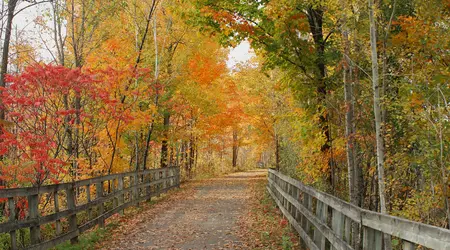
If you didn’t book your camping or accommodation in January, the chance of securing a spot in these locations during the peak of summer (July and August) is minimal.
Use them only for quick visits or during off-peak hours (before 8 AM or after 6 PM).
Pro-Tips: Navigating the Reservation Chaos
The primary reason these five parks become “traps” is the Parks Canada Reservation Service.
For 2026, the booking window opened in January, and most prime spots for July and August were gone in less than 10 minutes—a phenomenon known as the “Click-Day.”
If you missed that window, don’t lose hope, but be strategic. Many travelers cancel their bookings 48 to 72 hours before their arrival date to avoid full penalties.
I recommend using monitoring tools like Campnab or Schmancy. These services scan the Parks Canada system 24/7 and send you a text notification the moment a site becomes available.
It is the only reliable way to secure a last-minute spot in Banff or Bruce Peninsula during the peak of the Canada Strong Pass season.
| National Park | Location | Why Avoid the Peak? | Strategic Alternative |
| Banff | Alberta | Extreme overcrowding at Lake Louise and Moraine Lake. | Kootenay National Park (neighboring, less crowded). |
| Jasper | Alberta | High traffic on the Icefields Parkway and highly contested campsites. | Elk Island National Park (near Edmonton, focused on wildlife). |
| Gros Morne | Newfoundland | The most famous trails (Gros Morne Mountain) become congested. | Terra Nova National Park (more focused on coastal activities). |
| Bruce Peninsula | Ontario | Massive lines to access the Grotto and limited parking. | Georgian Bay Islands National Park (accessible by boat, quieter). |
| Fundy | New Brunswick | High volume of tourists during low tide. | Kouchibouguac National Park (less explored beaches and dunes). |
3 Hidden Gems to Use Your Canada Strong Pass 2026
These are the parks that I, as a specialist, recommend for those seeking the true Canadian wilderness experience, without the crowds.
They offer the same free entry benefit but with a much higher quality of experience.
1. Grasslands National Park (Saskatchewan)
- What it is: One of the last remaining remnants of untouched mixed-grass prairie in North America.
- Why it’s High Value: It is the only place in Canada where you can see the black-tailed prairie dog and wild plains bison in their natural habitat. Camping under a sky without light pollution is unparalleled.
- My Tip: Visit the Frenchman River Valley and take the Ecotour Scenic Drive trail.
2. Gulf Islands National Park Reserve (British Columbia)
- What it is: An archipelago of islands accessible by ferry, perfect for kayaking and marine life observation.
- Why it’s High Value: Instead of mountains, you get the coastal experience. The focus here is on boating and island culture. It is a peaceful refuge near Vancouver and Victoria.
- My Tip: Rent a kayak and explore the inlets. Camping at Sidney Spit is one of the most beautiful in the country.
3. Mingan Archipelago National Park Reserve (Quebec)
- What it is: A marine park famous for its giant rock formations (monoliths) sculpted by wind and sea.
- Why it’s High Value: It is a niche destination, harder to access, which ensures exclusivity. It’s an open-air geology lesson and an excellent spot for seabird watching.
- My Tip: Camping reservations are easier here. Don’t miss the island of Grande Île.
Deep Dive: What Makes These Gems Unique?
To truly appreciate why these alternatives are worth your time, we must look at the “hidden” value they offer that goes far beyond simply skipping the lines.
Each of these parks provides a distinct atmosphere that the more famous, overcrowded destinations often lose during the peak of summer.
Take Grasslands National Park, for example. While the sight of wild plains bison is a major draw, the real magic happens after the sun sets.
As a designated Dark Sky Preserve with virtually zero light pollution, it offers one of the most pristine views of the cosmos on the planet.
Here, the Milky Way is visible to the naked eye with startling clarity, making it a sanctuary for astrophotographers and dreamers alike.
To make the most of it, I highly recommend staying for the “Fireside Chats,” where park rangers weave together the scientific wonders of the stars with the deep indigenous history of the Great Plains.
If your heart is set on the coast rather than the prairies, the Gulf Islands offer what I like to call a “Marine Safari.”
While the majority of tourists are fighting for trail space in the Rockies, you could be paddling through the serene waters of British Columbia.
Between June and September, these islands become a prime corridor for Orcas and Humpback whales.
By using your Canada Strong Pass to cover the entry fees, you can reallocate your travel budget toward a professional kayaking guide, allowing you to witness these majestic marine giants from a safe and respectful distance.
Finally, for those willing to venture further off the beaten path, the Mingan Archipelago serves as a breathtaking geological time machine.
The giant limestone monoliths scattered across the coast are not just rocks; they are ancient sculptures carved by the relentless force of wind and sea over millennia.
This remote Quebecois treasure is also one of the premier locations in Eastern Canada to spot the charming Atlantic Puffins.
The logistical journey—a long, scenic drive up Route 138—acts as a natural filter, ensuring that the exclusivity of the experience remains intact and far removed from the massive summer crowds.
Frequently Asked Questions (FAQ)
Does the 25% camping discount apply to all reservations?
Yes, the discount applies to all camping and roofed accommodation (such as oTENTik) made through the official Parks Canada system during the pass validity period.
Do I need a physical pass to enter?
No. Parks Canada has confirmed that free access is an “open doors” policy during the period. You only need to identify yourself at the entrance.
Does the pass include museums and galleries?
Yes, the pass extends to national museums and some provincial galleries, offering free entry for youth aged 17 and under and a 50% discount for young adults (18-24 years old).
Strategic Conclusion
The Canada Strong Pass 2026 is a fantastic opportunity, but it requires strategy. Don’t fall into the trap of visiting only the most famous locations.
Use the free admission to explore hidden gems that offer a richer, less stressful experience that is truly worth it.
My final recommendation: If you haven’t booked anything yet, start planning your trip to one of the lesser-known parks immediately. The true Canadian adventure awaits you far from the crowds.
References
[1] Parks Canada Official Website