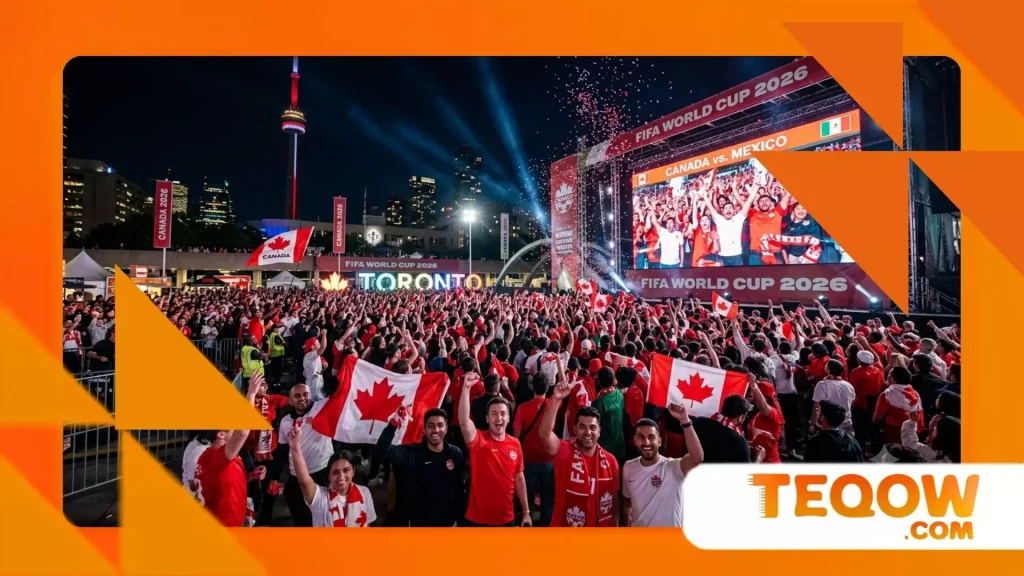
What Canada World Cup economic impact means for local businesses
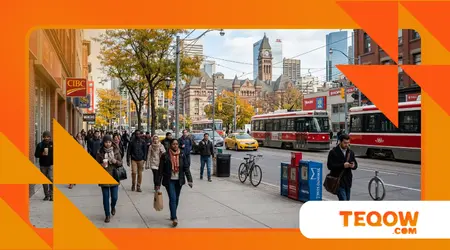
The streets in cities like Toronto and Vancouver are experiencing a shift in activity as preparations for upcoming international soccer matches intensify.
For business owners, this period brings a mix of anticipation and operational challenges.
While large-scale events are often associated with broad economic growth, the direct experience of local entrepreneurs can vary significantly depending on their sector and proximity to event venues.
Understanding the Canada World Cup economic impact requires looking beyond national projections.
While some reports estimate a multi-billion dollar contribution to the gross domestic product, these gains are typically concentrated within specific hospitality and tourism sectors in host municipalities.
For the average small business, the reality is more nuanced, often involving a balance between potential opportunities and the pressures of increased operational costs.
Snapshot: What is at Stake for Local Businesses?
The economic narrative surrounding the tournament is dual-sided. National forecasts suggest a substantial boost, yet this capital does not distribute evenly across all industries or neighborhoods.
- The Broad Perspective: Macro-economic projections often highlight a boost in the range of C$1 billion to C$5 billion. These figures generally account for spending on infrastructure, tourism, and services within designated host hubs.
- The Reality Gap: Data indicates that a notable portion of small business owners anticipate revenue levels consistent with typical summer periods, rather than a significant windfall.
- The Consumer Trend: There is evidence of a shift in consumer behavior, with a segment of the population expressing a preference for supporting local, independent businesses over national chains when seeking venues to view matches.
- Operational Hurdles: High inflation, utility expenses, and labor costs present ongoing challenges. These financial pressures may limit the capacity of business owners to invest in additional inventory or staffing in anticipation of transient event traffic.
Translating Hype into Sustainable Revenue
There exists a disconnect between general public enthusiasm and the day-to-day operations of small enterprises.
While many residents are eager to engage with the event by visiting local cafes, pubs, or retail shops, business owners must navigate complex logistical realities.
A primary challenge is the assumption that the “global spotlight” will automatically result in increased foot traffic for every establishment.
A hardware store or a professional service provider in a residential neighborhood outside the core impact zones may not experience the same demand as businesses located near stadiums or transit corridors.
The Canada World Cup economic impact is not uniform; it is highly localized.
While financial institutions and policy analysts provide macro-economic forecasts, the immediate costs including heightened security requirements, traffic management, and infrastructure adjustments are often managed at the municipal level, frequently impacting the day-to-day environment of nearby businesses.
++ How international student arrivals drop reshapes Canada
The “Crowding-Out” Effect and Logistical Challenges
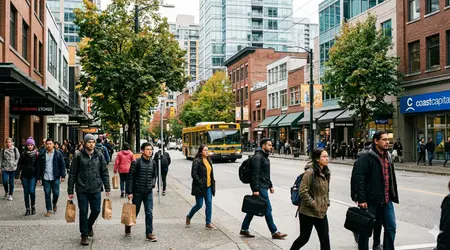
Business owners must also consider the potential for a “crowding-out” effect.
An influx of thousands of visitors can change the local landscape, sometimes creating friction for regular customers who may avoid congested areas.
In downtown cores, residents who typically frequent local shops may alter their routines to avoid road closures, transit delays, or higher prices associated with major events.
For a boutique or a local service provider, the loss of regular, year-round customers can offset gains from temporary event visitors.
Successfully navigating this period requires a strategy that balances attracting new visitors while maintaining the loyalty of existing customer bases.
Case Study: Managing Operational Adjustments
Consider a hypothetical scenario involving an independent cafe located in Vancouver, situated a few blocks from a main transit corridor.
If the owners decide to extend hours and hire additional staff based solely on general economic projections, they face significant risk.
If the cafe remains outside the primary path of event-goers, the expected surge in walk-in traffic may not materialize.
A more strategic approach might involve leveraging local sentiment rather than relying on chance.
For example, creating a quiet, local-focused atmosphere or partnering with neighborhood organizations to offer specific promotions could serve as a more sustainable strategy than attempting to compete directly with high-traffic corporate venues.
Positioning Your Business Strategically
Capitalizing on large-scale events requires a surgical approach to operations. Rather than assuming that simply being open will lead to success, businesses should evaluate their specific capacity and target market.
While consumer sentiment often leans toward supporting local businesses, price sensitivity remains a critical factor.
Data suggests that while a significant segment of the population prioritizes local patronage, this willingness can diminish as household budgets are strained by inflation.
To remain competitive, businesses must provide distinct value whether through a curated selection, a unique thematic experience, or consistent service quality rather than relying solely on the event’s momentum.
Assessing Risks and Rewards
When considering operational changes, business owners should weigh potential gains against specific risks:
| Feature | The Potential Reward | The Hidden Risk |
| Extended Hours | Opportunity to capture post-match crowds. | Increased labor and utility costs with uncertain volume. |
| Themed Marketing | Increased visibility and social media engagement. | Licensing and intellectual property risks regarding official tournament branding. |
| Increased Inventory | Ensuring availability during peak demand. | Potential for spoilage or capital tied up in slow-moving stock. |
| Watch Party Hosting | Consistent food and beverage sales. | Tables occupied for long periods by individuals with low spending. |
Navigating Regulatory and Logistical Frameworks
A significant concern for businesses during major events is the management of intellectual property and local regulations.
Strict rules often govern the use of tournament-related terminology and logos.
Businesses are generally advised to focus on neutral, community-based messaging rather than unauthorized use of protected intellectual property.
Furthermore, municipal authorities typically provide detailed guidance on road closures, delivery windows, and waste management.
Ignoring these logistical updates can lead to supply chain disruptions. If a primary supplier is unable to access a loading dock due to event-related street closures, the business may face operational delays.
Building Long-Term Resilience
The tournament represents a temporary, albeit intense, period of activity.
For most small business owners, the ultimate objective is not merely to capture short-term revenue, but to emerge from the period with a more resilient foundation.
By focusing on operational efficiency, maintaining strong relationships with the local community, and managing costs with discipline, businesses can navigate the complexities of the event.
Success lies in focusing on the fundamentals margins, staff management, and community loyalty ensuring that the business remains stable and prepared for the remainder of the year once the event concludes.
Frequently Asked Questions
Will the tournament significantly boost local sales for all sectors?
The impact varies by industry. Hospitality, food, and beverage sectors often see direct, albeit localized, effects.
Other sectors, such as professional services or construction, may experience neutral or negative impacts due to transit and logistical disruptions.
How can businesses market themselves without violating trademarks?
Focusing on the broader themes of the season, community, and summer celebration is a common strategy.
Avoid using specific official terms or registered logos, which are protected by strict intellectual property rights.
Is it advisable to increase staffing for the tournament period?
Businesses should analyze historical data from previous local events.
If additional staff is required, considering flexible, short-term contracts can mitigate the risk of over-staffing if attendance does not meet projections.
What is the best way to manage table turnover during high-demand matches?
Transparency with customers is essential. Implementing policies regarding minimum spending or time limits for tables during peak hours should be communicated clearly to maintain good relationships with regular patrons.
Should I seek short-term financing to prepare for the tournament?
External financing is an option, but it requires a clear, data-driven plan.
Owners should ensure they can measure the expected return on any capital investment before committing to short-term loans.